
Concrete Services
Commercial Concrete Contractors
Concrete Done Right: We're the Experts You Can Trust
Our commercial concrete services begin with a commitment to understanding your project, from crafting the perfect mix for your needs to meticulous site preparation.
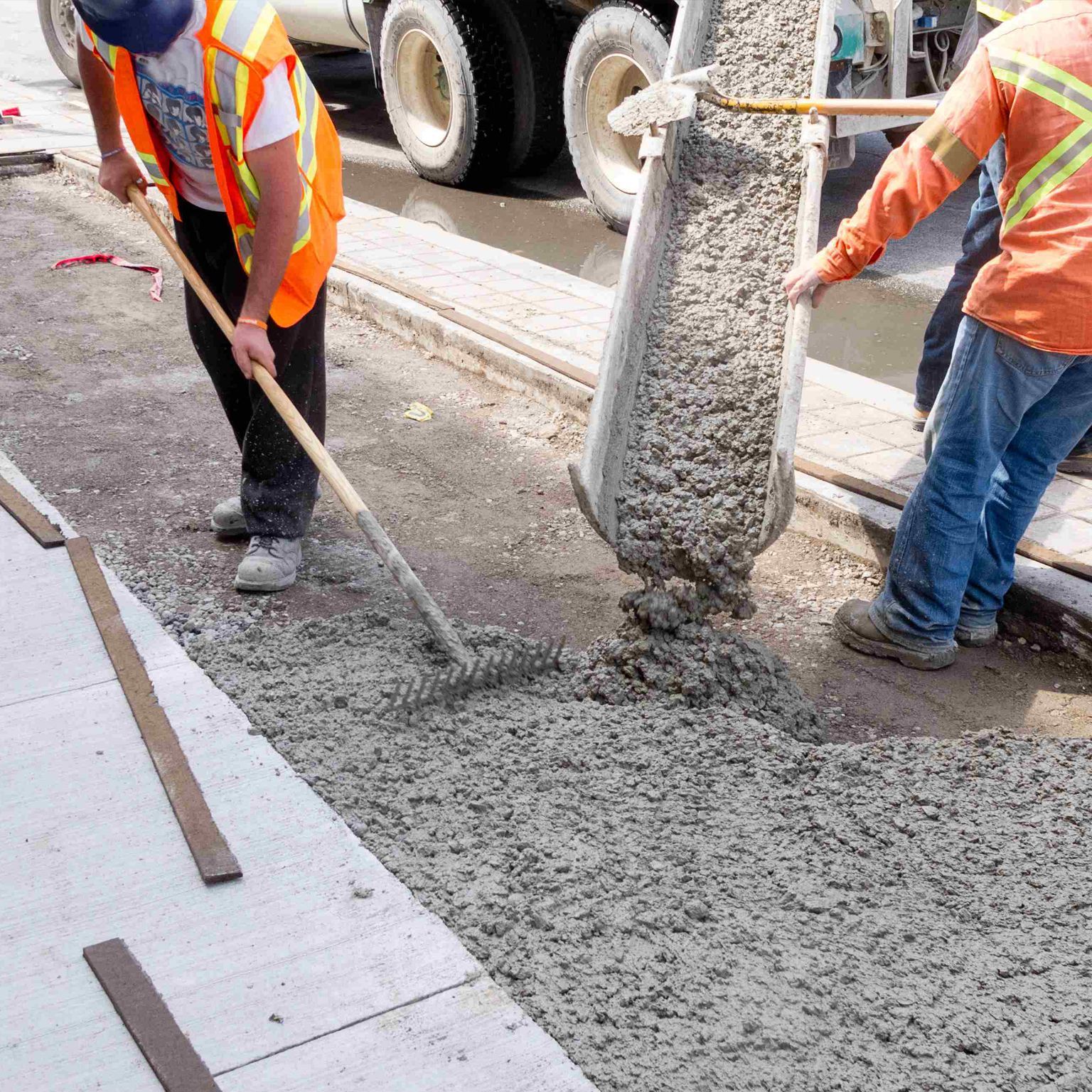
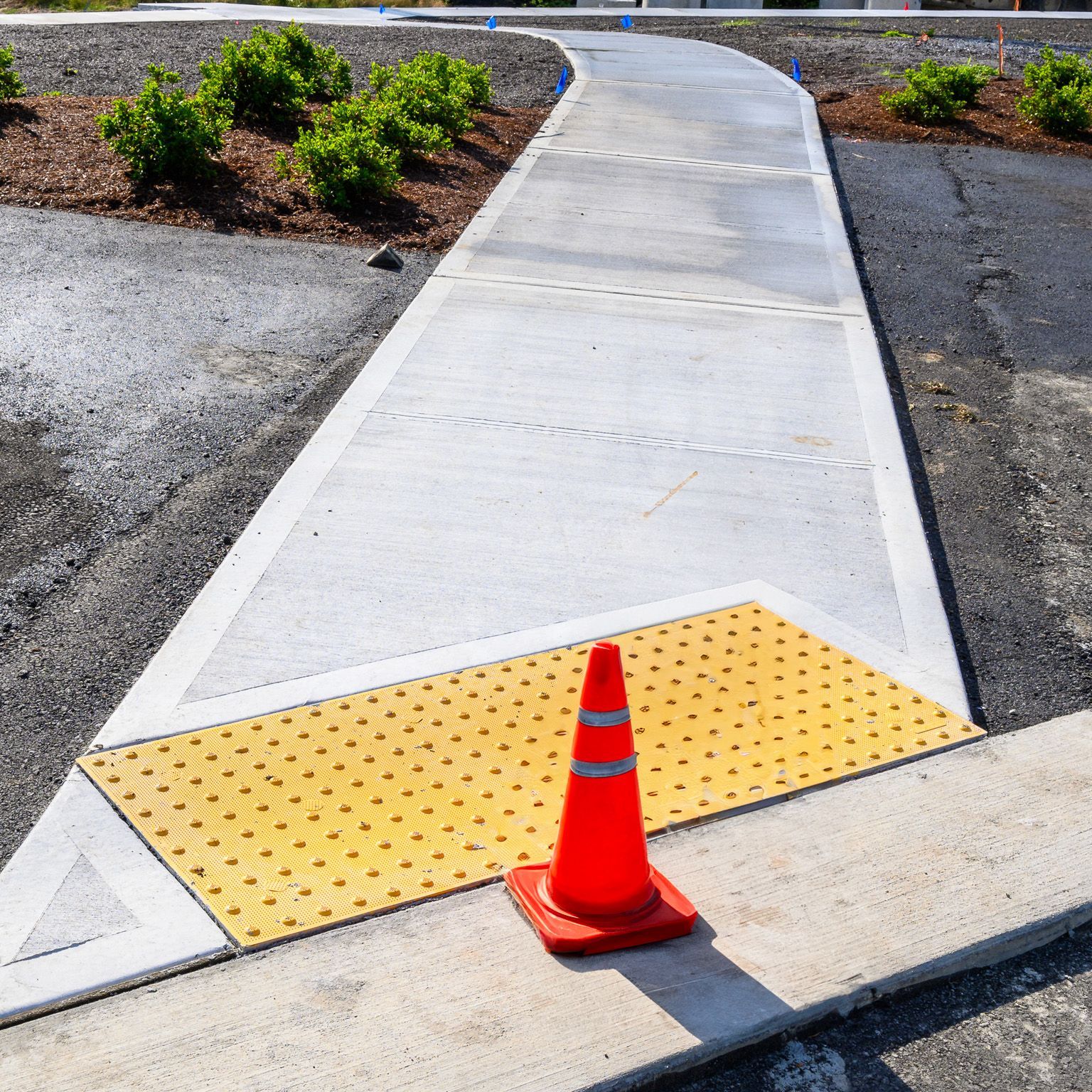
Concrete Parking Lots & Sidewalks
Concrete Curbing & Aprons
Concrete Catch Basins
TAG is a leader in the Minnesota commercial concrete industry with decades of experience and a reputation for affordability, reliability and excellence. Our process involves strategies and protocols established after many years in the business, below is a general overview:
Before starting, the site is assessed to determine the condition of the soil, the type of concrete needed, and any special requirements for the project. Permits must be obtained, and a design plan is created to ensure the concrete is properly integrated into the overall layout. Next, the site must be cleared of any vegetation, debris, or existing pavement. Depending on the project, the topsoil or other materials may need to be excavated to a specific depth to make way for the new concrete slab. The area is then leveled and graded to ensure proper drainage.
After clearing the installation site, a solid, stable base is prepared. This often involves laying down a gravel or crushed stone base, which helps with drainage and provides support for the concrete slab. The base layer is compacted using heavy equipment, ensuring it is level and stable. With our surface prepared, forms are set up around the perimeter of the area to define the shape and edges of the concrete slab. The forms are carefully measured and aligned to ensure that the finished surface will have the correct dimensions and a smooth, even finish.
With forms in place, we’re able to install steel bars (rebar) and/or wire mesh within the formwork to provide additional strength to the concrete slab. The reinforcement is positioned properly to ensure the concrete maintains its integrity under stress, particularly for commercial areas that will experience heavy traffic or loads.
The concrete mix is poured into the forms. The concrete is delivered by truck, and it is spread evenly over the surface. As the concrete is poured, it’s smoothed and leveled using a process called screeding. A long, straight board is dragged over the surface to level the concrete and remove any excess material. The surface is then smoothed out further to ensure an even finish. We then move on to surface finishing and treatments, depending on the desired result. Additional troweling, brooming, staining and sealing is completed per project specifications.
After the concrete is finished, it needs to cure to gain strength and durability. This typically takes 7 days, but it may continue to harden for up to 28 days. During this time, the concrete should be kept moist to prevent cracking and ensure proper hydration. Before the concrete installation is considered complete, the work is inspected to ensure it meets the required standards for thickness, strength, and finish. The concrete may be tested for its compressive strength, and any adjustments are made if necessary.
After installation, regular maintenance is important to keep the concrete in good condition. This includes periodic cleaning, sealing, and checking for cracks or damage.
Concrete aprons and curbing are a vital component in every paving project, including asphalt parking lots and sidewalks. Below is an overview of concrete aprons and curbing.
A concrete apron is a section of concrete pavement located at the transition between a driveway, parking lot, or private property and the roadway or sidewalk. It serves a similar purpose to an asphalt apron, providing a smooth and stable surface for vehicles as they move from the road onto a private property or driveway.
Aprons are often used for their durability and strength, particularly in areas where there is heavy traffic, high vehicle loads, or where long-lasting performance is needed. Concrete is more resistant to wear and tear compared to other materials and can handle frequent use without cracking or eroding as quickly.
The primary functions of a concrete apron include providing a smooth transition, allowing vehicles to enter or exit a property more easily. It also helps to protect the road and driveway from damage while ensuring proper drainage, preventing water pooling, and avoiding erosion at the transition point. Concrete aprons are common in both residential and commercial settings and are typically used around driveways, garages, parking lots, and other entryways to private properties.
Concrete curbing refers to a concrete structure that is used to define, protect, and delineate boundaries or edges of different areas, such as driveways, parking lots, sidewalks, streets, or landscaping. It is commonly used to create a clear distinction between different surfaces and to keep them separated, such as between the road and a landscaped area.
Curbing helps define the edges of various surfaces, such as separating lawns from walkways or creating clear lines for parking spaces or roadways. It also protects landscaped areas or lawns from damage caused by vehicles or foot traffic, keeping plants and grass intact. In addition, concrete curbing can enhance the appearance of an area, offering a clean, finished look to driveways, streets, and gardens. It can also assist with proper water drainage, helping direct rainwater away from certain areas and reducing erosion. To that point, curbing can be molded into various shapes and sizes, depending on the design and function required. It can be used in both residential and commercial settings and is often installed along streets, driveways, parking lots, and gardens.
A concrete catch basin is a drainage system component typically used to collect and manage stormwater runoff. It is a concrete structure installed at low points or areas prone to water accumulation, such as streets, parking lots, or driveways. The catch basin is designed to capture rainwater and prevent flooding by directing it into a storm sewer system or drainage pipes.
The structure generally consists of a concrete box with a grate or lid on top. The grate allows water to flow into the basin, where debris, such as leaves or dirt, is trapped by the basin’s filter system. This helps prevent clogging in the drainage pipes and ensures that the water flows efficiently through the system.
Catch basins are an essential part of stormwater management, helping to reduce water pooling on surfaces, improve drainage, and prevent erosion or property damage. They are commonly used in both residential and commercial areas, especially in regions that experience heavy rainfall or are prone to flooding.
TAG Video Series: Commercial Concrete Shorts
Concrete FAQs
Is concrete more durable than asphalt?
Yes, concrete is more durable than asphalt. Concrete is a construction material made from a mixture of cement, water, and aggregates (such as sand, gravel, or crushed stone). When combined, these materials form a product that hardens over time, creating a durable, strong material commonly used in construction for foundations, driveways, sidewalks, roads, and more.
How long does concrete take to cure?
Curing is the process of maintaining moisture and temperature to allow the concrete to harden properly over time. Concrete begins to set within 30 minutes to 2 hours after pouring, but it can take up to 28 days to fully cure and reach its maximum strength.
Concrete typically hardens enough for light foot traffic after about 24 hours, however, it can take several days for the concrete to reach full strength for more significant weight or traffic.
Why does concrete crack?
Concrete can crack for a variety of reasons, many of which are avoidable if properly designed and installed:
- Concrete Shrinkage: As concrete cures, it may shrink, causing small cracks.
- Temperature fluctuations: Hot or cold temperatures can cause concrete to expand or contract, especially in the far northern states.
- Heavy loads or stress: Excessive weight or stress on the surface can cause cracking.
- Movement in the ground: Settling or shifting of the soil beneath concrete can cause cracks.
What are concrete control joints?
Control joints are deliberate, planned and designed seams that are created in the surface of concrete to control where the concrete will crack naturally. These joints are made by cutting grooves into the surface, allowing the concrete to shrink and settle without causing random, unsightly cracks.
Can you pour concrete in the winter?
Yes, you can pour concrete in winter, but it requires special precautions. Cold temperatures slow down the curing process, and concrete may not set properly if it freezes. To pour concrete in winter, heated blankets, concrete additives, and temperature monitoring may be necessary to ensure proper curing.
How thick should a concrete slab be?
The thickness of a concrete slab depends on the application:
- For driveways: Typically 4-6 inches thick.
- For foundations: Can range from 4 to 8 inches, depending on load requirements.
- For sidewalks: Usually 4 inches thick.
- For heavy commercial use: Thicker slabs may be required for areas with heavy load-bearing needs, such as commercial buildings or high-traffic zones.
Catch Basin FAQs
Can catch basins prevent flooding?
Yes, absolutely. Catch basins play a crucial role in managing stormwater, however, when damaged or clogged, they can cause water backups and lead to flooding, especially during heavy rain. A malfunctioning catch basin can result in water pooling around your property, potentially damaging foundations, landscaping, and walkways.
Why use catch basins?
Catch basins ensure proper water drainage, which is vital to preserve the integrity of roads, parking lots, and other infrastructure. Damaged catch basins can lead to erosion, surface damage, and costly repairs down the road.
Can catch basins improve and preserve overall water quality?
Yes, catch basins help filter debris from stormwater before it flows into rivers, lakes, or streams. If left damaged, pollutants such as oil, chemicals, and debris can harm local ecosystems.
When should you install catch basins?
The optimal time to install a catch basin is during construction and the best time to repair a faulty catch basin is right away! Installing an optimal catch basin during construction or addressing a faulty catch basing immediately will prevent avoidable issues such as flood damage and excessive draining issues.
Being proactive with proper water drainage will save significant costs and liabilities.
Are catch basins mandatory for compliance?
Yes. In many areas and municipalities, maintaining stormwater systems is required by law. Failure to install, repair or maintain catch basins could lead to fines or other legal consequences.